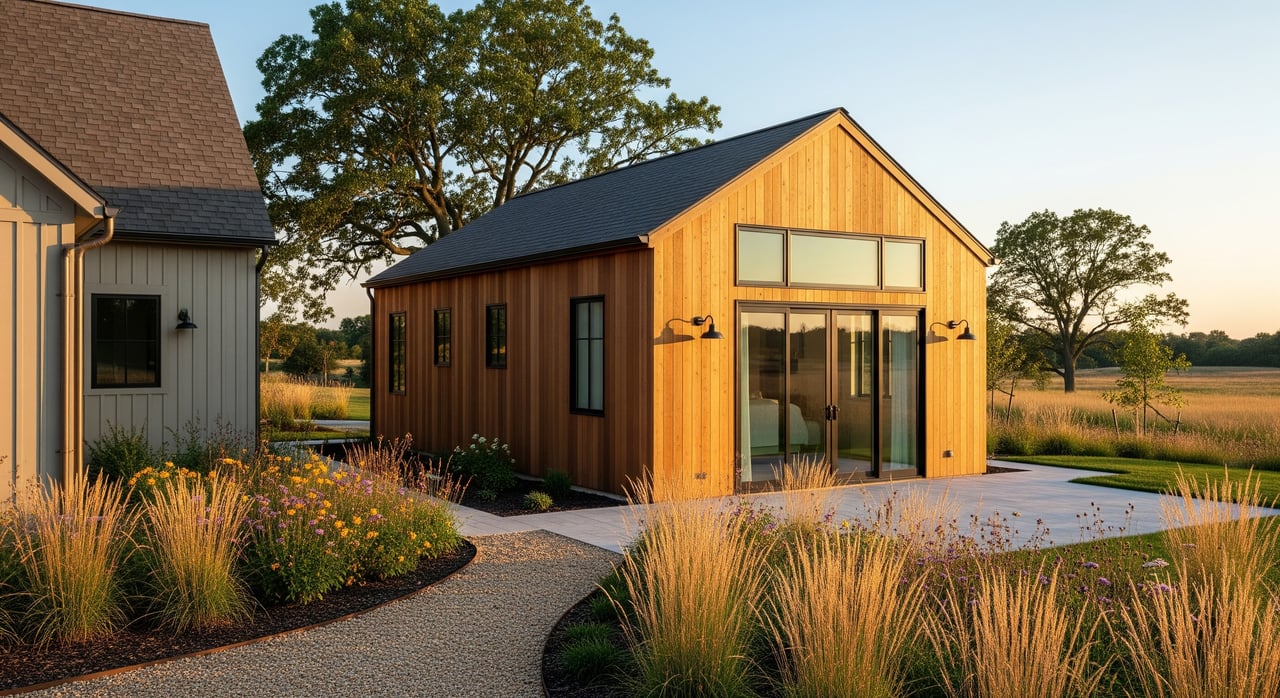
Thinking about adding a backyard cottage, garage apartment, or lower-level suite to your Sun Prairie home? With the city updating its zoning code, the rules that shape whether an accessory dwelling unit is possible on your lot may change. You want clarity before you invest time and money, and you want a simple way to track what the City Council ultimately adopts. In this guide, you’ll learn what an ADU is, which code items matter most, how to follow the city’s process, and a practical homeowner checklist to plan with confidence. Let’s dive in.
What an ADU is
An accessory dwelling unit is a smaller, secondary home on the same lot as your primary residence. It has its own kitchen, bathroom, and sleeping area. Cities typically recognize three common forms:
- Internal ADU: A converted basement, attic, or portion of the main house.
- Attached ADU: An addition or a unit built over an attached garage.
- Detached ADU: A separate backyard cottage or carriage house.
Cities look to ADUs to add gentle density, broaden housing choices, support multigenerational living, and give homeowners a path to supplemental rental income. Across the country, many communities have eased ADU rules in recent years to make them simpler to build.
Why Sun Prairie’s rewrite matters
Sun Prairie’s zoning rewrite is the moment when ADU feasibility can improve or tighten. Changes often focus on predictability and speed by moving toward objective standards and administrative approvals. For you, that can mean fewer hearings, clearer checklists, and more certainty on costs and timelines. The final text will be adopted locally, so it is essential to monitor official city documents and meetings as the draft evolves.
Key code items to watch
ADU outcomes turn on a bundle of specific standards. Keep your eye on these elements as Sun Prairie updates its code.
Allowed ADU types
- Will the code allow internal, attached, and detached ADUs by right in single-family districts?
- Will conversions of duplexes or townhomes be treated as ADUs or under separate rules?
- If detached units are allowed, will existing accessory structures be eligible for conversion?
Permitting pathway and approval standard
- Look for ministerial or administrative approvals based on clear checklists. These typically reduce cost and time.
- If a conditional use or special permit is required, plan for public hearings, longer timelines, and potential conditions.
- Check whether design review boards or variances are part of the process.
Owner-occupancy and rental rules
- Confirm whether you must live on the property for one of the units and whether exceptions or grace periods apply.
- Review short-term rental rules. Some cities prohibit or license short-term use for ADUs while allowing long-term rental.
Size, footprint, and lot coverage
- ADU size caps may be a fixed square footage, a percentage of the main home, or a combination. This directly affects layout and cost.
- Lot coverage and floor area limits can be the limiting factor for detached units on smaller lots.
- Check whether garages or storage count toward coverage when paired with a detached ADU.
Setbacks, height, and massing
- Reduced rear and side setbacks often enable backyard cottages. Note any reductions or alley-specific standards.
- Height limits determine whether a second story or a unit above a garage is feasible.
- Some codes include privacy standards for windows and entries near lot lines.
Parking requirements
- Watch for ADU parking standards. A required extra off-street space can drive design and site work costs.
- Some areas allow reduced or no parking if close to transit or within certain districts.
- If on-street permit systems exist, confirm how an ADU’s occupants are treated.
Design and neighborhood compatibility
- Design standards may address roof pitch, exterior materials, entries, and window placement. These can help fit within neighborhood context but also add cost.
- Historic districts or special overlays may involve additional review or stricter standards.
Utilities, sewer, and water
- Clarify whether separate meters are allowed or required and how billing works for a second unit.
- Confirm sanitary sewer, stormwater, and water service criteria. Capacity or connection rules can be make-or-break on some lots.
- Understand trenching, backflow, and cleanout requirements when locating the ADU.
Impact fees, building codes, and charges
- Check whether ADUs are exempt from or subject to reduced park, transportation, or utility impact fees.
- Expect residential building and fire codes to apply, including plan review and inspections.
- Ask about plan submittal requirements, structural reports for conversions, and energy standards.
Lot size and unit counts
- Some codes require a minimum lot size for detached ADUs. Note any thresholds.
- Verify whether more than one accessory unit is allowed or whether ADUs are limited to one per lot.
Occupancy limits and classification
- Cities may cap the number of unrelated occupants in a dwelling. Understand how this applies to the ADU and main home.
- Check if there are bedroom caps or minimum size standards for safety and egress.
Nonconforming situations and conversions
- If you plan to convert an existing garage or outbuilding, look for rules on nonconforming setbacks and how they are treated.
- Some codes allow retention of nonconforming setbacks if the structure stays within its existing footprint.
Enforcement, registration, and monitoring
- The city may require ADU registration, safety inspections, or renewal to ensure compliance.
- Penalties for unpermitted units can be significant. Confirm the enforcement approach before starting work.
Phasing, pilots, and incentives
- Watch for pilot programs, fee waivers, or other incentives that can lower upfront costs.
- Some cities phase in ADU allowances across districts. Note timing if you plan to build soon.
How to follow Sun Prairie’s process
To stay current, rely on official channels and primary documents. Drafts can shift during hearings, so check for updates before you act.
- Visit the City of Sun Prairie’s Planning and Community Development pages for the zoning update project materials, including draft code language and summaries.
- Review City Council and Plan Commission agendas, staff reports, and meeting packets for the latest redlines and analyses.
- Watch for public notices and hearings to understand timelines and final adoption steps.
- If relevant, reference Dane County property data and mapping tools to review parcel specifics and utility service areas.
- Sign up for city e-mail notices or agenda notifications so you see new drafts quickly.
- Attend or view meeting recordings where ADU provisions are discussed. Listen for staff guidance on utilities, parking, and design standards.
A practical homeowner checklist
Use this step-by-step list to plan your ADU with fewer surprises.
- Confirm eligibility
- Identify your zoning district and whether ADUs are allowed by right or conditionally.
- Note any minimum lot size or frontage requirements.
- Choose your ADU type
- Decide between internal, attached, or detached based on your lot, privacy goals, and budget.
- For conversions, document existing conditions with photos and measurements.
- Sketch size and layout
- Fit within any square-foot cap or percentage of the main home.
- Plan for egress, ceiling heights, and accessibility needs.
- Check setbacks and height
- Map the buildable area and any reduced setbacks for detached units.
- Confirm height limits, especially for over-garage designs.
- Plan parking
- Determine if an extra off-street space is required and where it can go without violating setbacks or coverage.
- Budget costs and fees
- Include design, engineering, building permits, impact or park fees if applicable, and utility connections.
- Carry a contingency for site work, trenching, and code upgrades in conversions.
- Verify utilities
- Coordinate with the city and utility providers on sewer, water, electrical, gas, and metering approach.
- Account for stormwater and grading requirements.
- Map the approval path
- If ministerial, assemble the checklist and submit plans for administrative review.
- If conditional, prepare for public hearings and allow additional time.
- Understand rental rules
- Confirm owner-occupancy requirements if any.
- Check short-term rental policies and any licensing or registration needs.
- Build your team
- Engage a designer or architect familiar with ADUs and local submittal standards.
- Consult a contractor experienced with small-footprint residential builds.
- Communicate with neighbors
- Share your concept and construction timeline to minimize friction.
- Prepare for inspections and closeout
- Schedule required building and safety inspections.
- Complete any registration or certificate of occupancy steps.
Local context and tradeoffs
Every zoning update balances community goals with practical concerns. Expect to hear a range of perspectives:
- Homeowners may see ADUs as a path to housing a relative or offsetting a mortgage.
- Neighbors may raise questions about on-street parking, privacy, or compatibility.
- Affordable housing advocates may support fewer barriers to expand housing choices.
- City staff and elected officials weigh infrastructure capacity, fiscal impacts, and predictability.
Common tradeoffs include parking supply versus housing options, design costs versus neighborhood fit, and faster approvals versus public review. Understanding these helps you plan a design that meets the standards and works for your block.
Buying or selling with ADU potential
If you are shopping for a home in Sun Prairie with ADU potential, focus on lot size, access, and placement options. A corner lot, alley access, or a deep rear yard can simplify detached designs, while a solid basement layout can make internal conversions more practical. If you are selling, highlighting ADU-ready features can widen your buyer pool. As the city finalizes its rewrite, position your property accurately and avoid overstating what is allowed. Always verify the latest adopted language before you market an ADU opportunity or start design work.
Ready to talk through ADU feasibility, rental strategies, or resale value impacts for your home? Let’s connect. With calm, step-by-step guidance and local expertise across Dane County, we’ll help you plan with confidence and align your project with your broader goals.
If you want a tuned plan for your property, reach out to Browning Real Estate Group to discuss your options or request a tailored market analysis.
FAQs
What is an ADU in Sun Prairie?
- An ADU is a smaller, secondary home on the same lot as a primary residence. It can be internal, attached, or detached, and must meet residential building and safety codes.
Which code items most affect ADU feasibility?
- The big levers are allowed ADU types, permitting pathway, owner-occupancy, size caps and lot coverage, setbacks and height, parking, utilities, fees, and rental rules.
How long does ADU approval take?
- Ministerial, checklist-based approvals often move in weeks to a few months. Conditional use processes with hearings typically take longer and add design conditions.
Do I have to live on the property if I build an ADU?
- It depends on the final owner-occupancy rule the city adopts. Some places require it, some do not, and some allow transition periods or exceptions.
Are short-term rentals allowed in ADUs?
- Policies vary by city and can change during a rewrite. Confirm whether short-term rentals are permitted, restricted, or licensed separately for ADUs.
Can I convert my existing garage to an ADU?
- Often yes, but it depends on how the code treats nonconforming setbacks and conversions. Some standards allow a conversion within an existing footprint; others require adjustments.
How are parking requirements handled for ADUs?
- Some codes waive parking, others require an additional off-street space, and some tailor standards by district or proximity to transit. Check the Sun Prairie standard during adoption.
What fees and costs should I expect beyond construction?
- Plan for design and engineering, building permits, potential impact or park fees, and utility connection charges. Also budget for inspections and final occupancy steps.
Who enforces ADU compliance?
- City planning and building officials typically handle plan review, inspections, registration, and enforcement. Unpermitted units can be subject to penalties.
How can I track the Sun Prairie zoning rewrite?
- Monitor Planning and Community Development project pages, Plan Commission and City Council agendas and packets, and public notices. Sign up for city email updates and view meeting recordings.