If the idea of stepping outside and reaching a trail, creek corridor, or park in minutes sounds like your kind of everyday life, Cross Plains deserves a closer look. This village west of Madison has a strong outdoor identity, but buying near nature here takes more than falling in love with the view. You need to understand the housing mix, the nearby land use, and the parcel-specific details that can affect how a home lives over time. Let’s dive in.
Why Cross Plains Stands Out
Cross Plains is about 12 miles west of Madison in western Dane County, and the village describes itself as a community shaped by natural resources, historic neighborhoods, and small-town character. That identity is not just branding. It shows up in the trail network, park system, and the way outdoor access is woven into daily life.
The Ice Age Trail is a major part of that story. Cross Plains is one of fifteen official Ice Age Trail Communities, and the Ice Age Trail Alliance headquarters is located right in downtown on Main Street along the trail corridor. For buyers who want small-town living with easy access to open space, that is a meaningful part of the local lifestyle.
Nature Access in Cross Plains
Cross Plains offers a broad mix of outdoor spaces, and each one creates a slightly different living experience. Some areas are built for active recreation, while others are quieter conservation lands with fewer amenities. That difference matters when you are choosing a home near a trail or natural area.
The village parks department maintains 160 acres of conservancy land open year-round for hiking and cross-country skiing, along with 13 parks totaling 63 acres of active amenities. The village trail map also shows hiking routes, trail access points, snowmobile connections, and Iron Man bike route segments.
Public Lands Nearby
Several nearby public spaces help define the appeal of Cross Plains homes near nature:
- Cross Plains State Park is open year-round from 6 a.m. to 11 p.m. and does not require a vehicle admission sticker.
- Cross Plains Interpretive Site covers 161 acres and is open to foot travel only. Leashed dogs are required, and there are no public restrooms or fees at this time.
- Indian Lake County Park spans 791 acres and offers hiking, cross-country skiing, snowshoeing, sledding, foraging, and an Ice Age National Scenic Trail segment.
- Festge County Park includes wooded trails, shelters, play equipment, and a scenic overlook above the Black Earth Creek Valley.
- Salmo Pond County Park offers shoreline fishing, accessible fishing piers, a canoe and kayak launch, and picnic areas.
- H.M. Zander Community Nature Park includes an accessible blacktop path, two accessible fishing stations, and two bridges along the re-meandered Black Earth Creek.
Not All “Near Nature” Feels the Same
A home near a county park can feel very different from a home near a conservancy or trail corridor. One location may put you near parking areas, shelters, and regular foot traffic, while another may offer a quieter setting with simpler access and fewer facilities. If your goal is privacy, convenience, or year-round activity, it is worth matching the home’s location to the kind of outdoor experience you actually want.
What the Housing Stock Looks Like
Cross Plains remains a predominantly single-family market. According to the village comprehensive plan, about 69% of housing is single-family detached, about 5% is single-family attached, and almost 7% is in buildings with 5 to 9 units. For many buyers, that means the village still offers a strong traditional neighborhood feel while allowing some variety in housing options.
The age of the housing stock is also broad. About 22% of homes were built after 2000, there is a notable group of homes from the 1970s, and a meaningful share predates 1940. In practical terms, you may find older in-town homes, suburban-style homes from later decades, and newer homes in planned neighborhoods.
What Buyers Should Look For
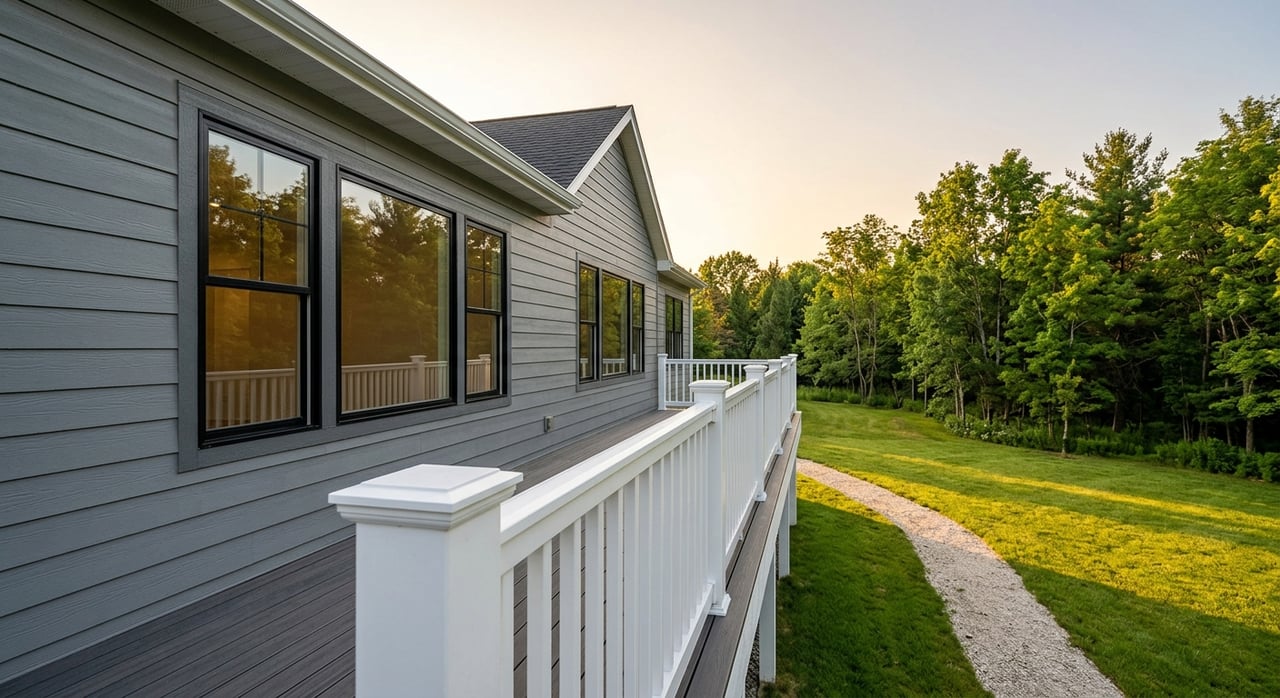
If you are focused on homes near trails, conservancies, or creek corridors, the outdoor features of the property deserve extra attention. In Cross Plains, common improvements like decks, garages, sheds, fences, driveways, pools, siding, roofing, window replacement, and basement finishing are the kinds of projects that can trigger local review.
That does not mean there is a problem. It simply means you should look closely at features that shape how you will use the property, especially if you are buying a home where outdoor living is part of the appeal.
A smart showing checklist may include:
- Deck condition and size
- Yard layout and drainage
- Fence placement
- Driveway slope and condition
- Storage sheds or outbuildings
- Window and roofing updates
- Basement finishing quality
- Garage function for bikes, skis, or outdoor gear
Parcel Rules Matter More Near Nature
Homes near water, low-lying land, or protected open space can be especially appealing, but they also call for careful due diligence. Cross Plains points buyers and property owners to local rules related to erosion control and stormwater management, floodplain zoning, and shoreland zoning.
The village has also emphasized flood mitigation and the ongoing maintenance of drainage ditches, swales, storm sewers, and related infrastructure following the 2018 flood event. That is an important local signal for buyers who are considering homes near creek areas or terrain that naturally collects water.
Questions to Ask Before You Offer
If a home sits near Black Earth Creek, a conservancy edge, or another low-lying area, ask focused questions early. A beautiful natural setting can absolutely be a plus, but it should come with a clear understanding of the property’s conditions.
Consider asking about:
- Floodplain status
- Drainage patterns on the lot
- Past water issues or mitigation work
- Proximity to stormwater features such as swales or ditches
- Any recent exterior improvements that may have required local review
These are not alarm bells. They are simply part of smart, local buying in a market where natural features are a real part of the setting.
Resale Value and Everyday Livability
Many buyers naturally wonder whether living near parks and open space helps long-term value. A 2019 review of 33 U.S. studies found that home values generally rose with proximity to parks and open space, although homes immediately adjacent to a park sometimes saw less premium than homes located a block or two away.
For Cross Plains, that supports a balanced way of thinking. The strongest value story may come from easy access to trails, parks, conservancies, and creek corridors, rather than from being directly on the busiest access point.
Why Balanced Access Often Wins
A home with quick access to nature can support the lifestyle many buyers want without bringing as much activity right to the property line. In a place like Cross Plains, where outdoor recreation runs through every season, that balance can be especially attractive.
Year-round use adds to the appeal. Village conservancy land is open for hiking and cross-country skiing, Indian Lake County Park supports winter trail use, and Cross Plains State Park is open all year. That means the draw is not just summer scenery. It is a more durable lifestyle feature that can matter in every season.
How to Think About the Right Fit
If you are shopping in Cross Plains, it helps to define what “near nature” means to you before you tour too many homes. Some buyers want walkable trail access. Others want a quieter edge-of-neighborhood setting near conservancy land. Some care most about winter recreation, while others want fishing access, scenic overlooks, or easy biking routes.
The right home is usually the one that balances setting, access, and practical ownership details. In Cross Plains, that may mean a single-family home near a trail corridor, a newer property in a planned neighborhood with nearby park access, or an older in-town home with quick connections to the village’s outdoor network.
A thoughtful local search can help you compare not just the house, but also the kind of nature access that comes with it. If you want help evaluating homes near trails, creek corridors, or conservancy land in Cross Plains, Mary Lockyer Browning offers calm, local guidance tailored to your goals.
FAQs
What makes Cross Plains appealing for buyers who want homes near nature?
- Cross Plains has a strong outdoor identity, with the Ice Age Trail, Black Earth Creek, village conservancies, local parks, and nearby county and state recreation areas all contributing to everyday access to nature.
What types of homes are common in Cross Plains?
- Cross Plains is mostly a single-family market, with about 69% of housing classified as single-family detached, plus a mix of attached homes and some multi-unit properties.
What should buyers check when touring Cross Plains homes near trails or creeks?
- Pay close attention to outdoor features like decks, sheds, fences, driveways, garages, and yard drainage, since these can shape daily use and may relate to local review requirements.
Why do floodplain and stormwater rules matter in Cross Plains?
- The village has local rules covering stormwater, floodplain zoning, and shoreland zoning, which makes parcel-specific due diligence especially important for homes near water or low-lying land.
Is living close to parks and open space helpful for resale in Cross Plains?
- Research cited in the report suggests that homes near parks and open space often benefit in value, with balanced access sometimes offering a stronger resale story than direct adjacency to the busiest public access points.
Are all Cross Plains natural areas the same kind of amenity?
- No. Some nearby spaces are full-service parks with more amenities, while others are simpler conservation or trail areas, so the experience of living nearby can vary quite a bit by location.