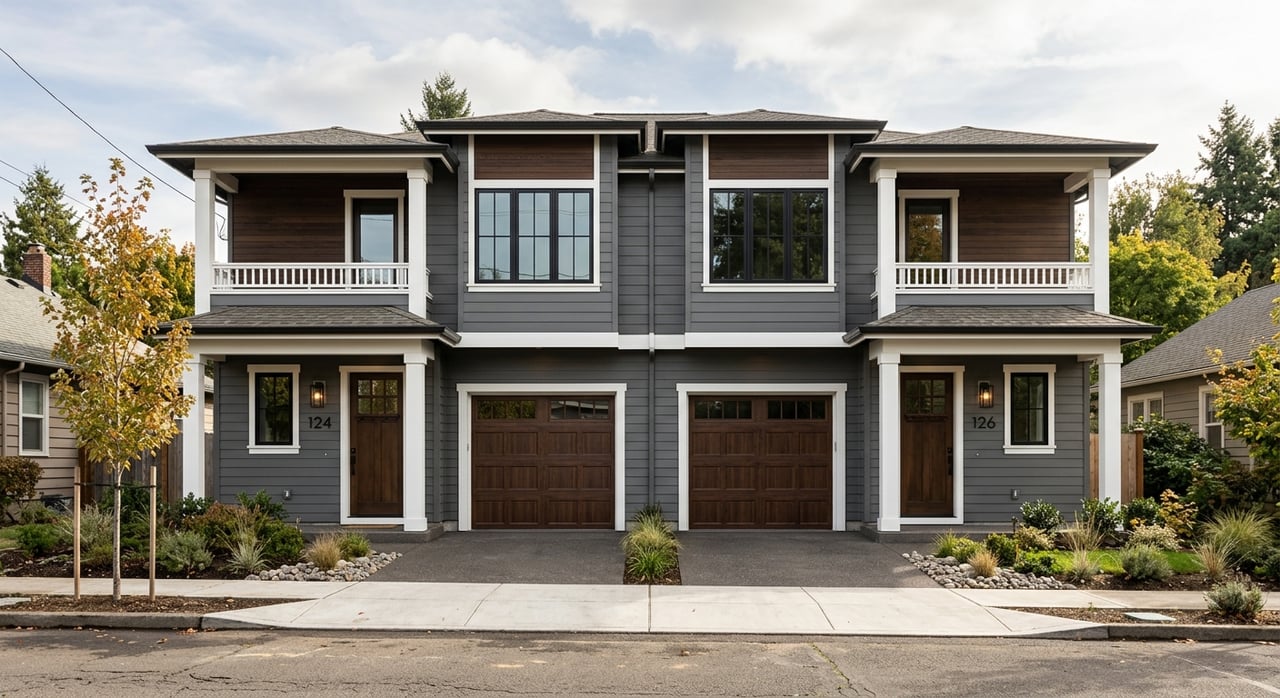
Wondering whether a duplex or small multi-family property in Waunakee is actually a smart option? You are not alone. For buyers who want flexibility, future rental income, or a way to offset housing costs, these properties can be appealing, but Waunakee’s housing mix and local rules make it important to look closely before you act. This guide walks you through how duplexes and 2-4 unit properties fit into the local market, what to verify, and where careful planning matters most. Let’s dive in.
Waunakee's Multi-Family Market
Waunakee is still, first and foremost, a detached single-family market. The Village of Waunakee’s 2026 Housing Affordability Report says 65% of housing units are detached single-unit structures, and 77% of homeowners live in single-unit homes.
That said, attached housing still plays an important role locally. The same report notes that 18% of households are cost burdened, which helps explain why duplexes and other attached options continue to matter for buyers looking for a more flexible entry point.
If you are exploring duplex or small multi-family options, it helps to understand that these properties are part of the market, but they are not the dominant product type. In practice, that can mean fewer listings, more competition when a well-located property hits the market, and more value in doing your homework early.
Why Duplexes Appeal in Waunakee
A duplex or 2-4 unit property can offer something a standard single-family home usually cannot: built-in flexibility. You may choose to live in one unit and rent the other, purchase for long-term investment, or create a plan that supports a future life transition.
For some buyers, the appeal is simple math. If rental income from another unit helps with monthly costs, a property that first looked out of reach may start to feel more workable.
That possibility matters in a community where affordability remains part of the conversation. It is one reason attached housing continues to have a place, even in a village that still strongly favors detached homes in its overall housing strategy.
Housing Growth Still Favors Single-Family
Waunakee is adding housing, but the mix tells an important story. In 2025, the Village approved 13 duplex permits, one multifamily permit, and 75 market-rate apartments at Woodland Crest.
The village also projects that roughly 2,386 housing units will need to be added by 2040. If the current mix is preserved, that future growth would continue to include both detached and multi-unit housing.
At the same time, planning policy summarized in the 2025 housing report supports a development mix of about 75% detached single-family units and 25% attached units, with some exemptions for redevelopment and senior housing. For you as a buyer, that means duplexes and small multi-family properties are part of the local picture, but they sit within a market structure that still gives clear preference to detached housing.
Where Small Multi-Family Exists
Village zoning analysis found that smaller multifamily buildings were concentrated near Main Street. The same analysis reported that, as of June 2017, about 17% of Waunakee housing units were in buildings with 3 or more units.
This does not mean every property near that area will work for your goals, but it does show that smaller multi-unit housing has a more established footprint in certain parts of the village. If you want a duplex or 2-4 unit property, location matters not only for lifestyle but also for zoning context and future use.
Zoning Matters More Than Assumptions
Before you rely on a listing description or a seller’s understanding of a property, verify the zoning details. Waunakee’s planning pages direct buyers to use the property information search tool and zoning quick tips because each lot’s zoning district, setbacks, and applicable rules need to be checked against the current code.
This is especially important if the parcel is in a Planned Unit Development, also called a PUD. In that case, you also need to review the applicable General Development Plan, since PUD-specific rules may affect what is allowed.
Village materials also refer to an R-3 Two-Family Residential District, and PUDs can explicitly allow attached two-family residences. That is useful context, but it should never replace parcel-specific verification.
Covenants Can Add Another Layer
Even if zoning allows a certain use, that does not automatically end the analysis. Waunakee states that subdivision restrictive covenants are separate from zoning, unique to each neighborhood, and not tracked in a village HOA registry.
For buyers, that creates a practical issue. A duplex use, conversion, or exterior change that appears legal under village code could still be limited by neighborhood covenants.
This is one of the most common areas where assumptions can create problems. If a property interests you, make sure you review both public rules and private restrictions before moving forward.
Looking Just Outside Village Limits
Some buyers widen their search slightly to find more options. If you are considering a property in the Town of Westport’s Joint Planning Area or Extraterritorial Zoning Area, Waunakee handles zoning determinations and inspections tied to the zoning side of the building permit process.
That matters because properties just outside village limits can still involve Waunakee’s zoning review framework. If your search stretches beyond the village boundary, it is worth confirming early which authority applies and what that means for your plans.
Financing for Duplexes and 2-4 Units
Financing a duplex or small multi-family property is often different from financing a single-family home. For owner-occupants, FHA states that down payments can be as low as 3.5% on 1-4 unit owner-occupied properties.
Some conventional affordable lending programs also apply to 2-4 unit owner-occupied homes. For example, Fannie Mae’s HFA Preferred fact sheet shows a 95% maximum loan-to-value ratio for 2-4 unit owner-occupied properties and a 3% borrower contribution requirement.
These programs can make small multi-family ownership more approachable, but the key is not to assume that every lender will treat every property the same way. Loan structure, reserves, occupancy intent, and property specifics all matter.
How Rental Income May Help
One of the biggest reasons buyers explore duplexes is the possibility of using rent from the other unit to help qualify. Fannie Mae says rental income from a 2-4 unit principal residence can be used in qualifying, and Freddie Mac also states that rental income from the other units can be added to the borrower’s income for eligible owner-occupied primary residences.
That benefit can be meaningful, but it comes with more documentation. Fannie Mae says the income approach is required for valuing two- to four-unit properties, and lenders generally use the Small Residential Income Property Appraisal Report, Form 1025, for those homes.
The practical takeaway is simple: run underwriting early. If you are planning a house-hack strategy, treat projected rental income as helpful, not guaranteed, until your lender reviews the full file.
Permits and Fees to Know
If you are buying a property that may need work, conversion, or new construction, local permits and fees deserve attention. Waunakee’s fee schedule treats duplexes differently from larger multifamily properties.
Duplexes are listed under residential new construction fees, while 3 or more unit multifamily construction is listed under commercial fees. The inspection department also classifies any multifamily structure of 5 or more units as new commercial work.
The current fee schedule also includes a zoning permit, an occupancy permit, and a duplex park impact fee of $1,922.05 per unit. Waunakee also posts required inspections that must pass before occupancy, so timelines and costs should be part of your planning from the start.
Landlord Rules and Building Basics
If you plan to rent out part or all of the property, Wisconsin landlord-tenant rules come into play quickly. According to DATCP, tenants have seven days after tenancy begins to complete a check-in sheet when a security deposit is required.
DATCP also states that landlords generally must return the security deposit within 21 days after the tenancy ends or the unit is re-rented. If utility charges are divided among units that are not individually metered, landlords must disclose how those charges are allocated.
Waunakee’s renter resources add local safety expectations for shared-access buildings. Exterior doors, basement doors, and storage-area doors should stay locked, and rental units need smoke alarms in bedrooms, sleeping areas, and on each floor, with alarms hard-wired or powered by 10-year lithium batteries. The landlord must install the smoke alarms.
Short-Term Rental Plans Need Separate Review
If your idea is to buy a duplex and use one unit as a short-term rental, do not assume the property is ready for that use just because it is legally residential. Waunakee lists a short-term rental license on its permits and licenses page.
That means short-term rental use should be researched as its own category. If that strategy is part of your plan, confirm licensing and compliance requirements before you make an offer.
Smart Due Diligence Steps
A duplex or small multi-family purchase in Waunakee can be a strong fit if your goals and the property align. The safest approach is to verify the details before you build your budget around projected income or future changes.
Focus on these steps early:
- Confirm the property’s zoning district and allowed uses
- Check whether the parcel is in a PUD and review the General Development Plan if needed
- Review subdivision covenants or deed restrictions
- Ask about permit history and completed inspections
- Talk with a lender early about owner-occupant or investment financing
- Review expected fees, occupancy requirements, and any planned improvements
- Confirm whether your intended rental strategy requires additional licensing
In a market like Waunakee, careful planning is not overkill. It is what helps you move forward with confidence.
If you are weighing a duplex, a 2-4 unit property, or a flexible home purchase strategy in Waunakee, working with a local advisor can help you sort through the details before they become surprises. Mary Lockyer Browning offers calm, informed guidance for buyers navigating Dane County’s evolving housing options.
FAQs
What kinds of small multi-family properties are common in Waunakee?
- Waunakee remains mostly detached single-family housing, but duplexes and smaller multifamily buildings do exist, with smaller multifamily properties historically concentrated near Main Street.
What should you check before buying a duplex in Waunakee?
- You should verify zoning, setbacks, PUD rules if applicable, subdivision covenants, permit history, and whether your intended use matches current village requirements.
Can rental income help you qualify for a Waunakee duplex loan?
- It can in some cases for owner-occupied 2-4 unit properties, but lenders typically require more documentation and early underwriting is the best way to confirm how income will be counted.
Are duplexes treated differently from larger multifamily buildings in Waunakee?
- Yes. Waunakee’s fee schedule lists duplexes under residential new construction fees, while 3 or more unit multifamily construction is listed under commercial fees.
Do neighborhood covenants matter for Waunakee multi-family properties?
- Yes. Waunakee states that restrictive covenants are separate from zoning, so a property could meet village code but still face private neighborhood restrictions.
Do you need special approval for short-term rental use in Waunakee?
- You may. Waunakee lists a short-term rental license among its permits and licenses, so that use should be reviewed separately before purchase.