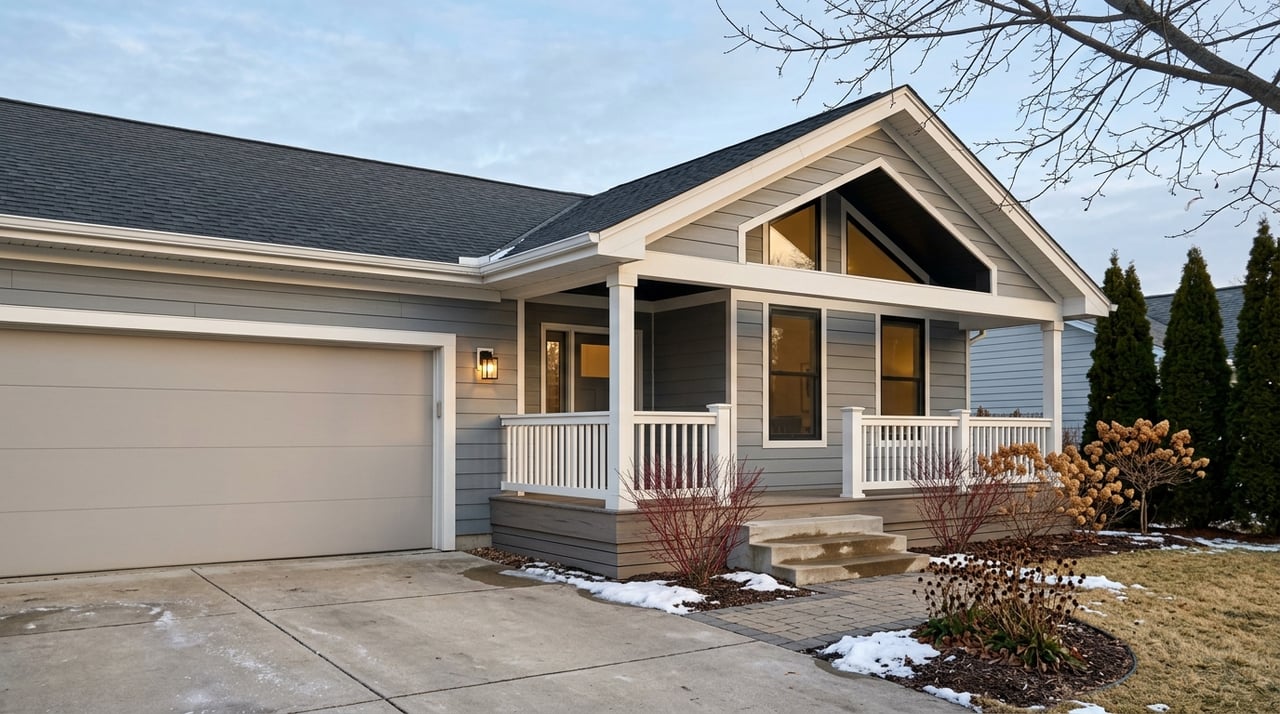
If you’re trying to time a move in Madison, you’ve probably wondered whether spring is really the best time to buy or sell. The short answer is yes, seasonality matters here, but it does not tell the whole story. In Madison and Dane County, the housing market tends to pick up from winter into spring and summer, while still staying relatively tight overall. That means your timing can shape how many homes you see, how much competition you face, and how quickly listings move. Let’s dive in.
Madison housing seasonality at a glance
Madison’s housing market follows a familiar seasonal rhythm. Activity usually starts slower in winter, builds through spring, peaks in summer, and cools somewhat in fall.
At the same time, the market is not loose or oversupplied. According to the City of Madison 2025 Housing Snapshot, July 2025 inventory was about half of what it was in July 2015, sale-to-list price was 101.1%, months’ supply was roughly 1.9 to 2.0, and average days on market fell to 42. The same report notes that seasonal fluctuations are normal and that July-to-July comparisons are often more useful than month-to-month changes.
A broader metro view tells a similar story. The city report also cites HUD’s June 2025 profile describing the Madison metro sales market as tight, with a 0.6% owner-occupied vacancy rate and 2.1 months of supply in May 2025.
Dane County trends by season
Dane County monthly residential reports from SCWMLS show a clear ramp from winter to summer. In January 2025, the county had 557 new listings, 315 sales, and 621 active residential listings, with a median sale price of $320,000.
By March 2025, activity had already moved up to 690 new listings, 463 sales, and 703 active listings, with a median sale price of about $435,000. In May, that rose again to 751 new listings, 706 sales, and 863 active listings, with a median of $459,950.
Summer brought even more inventory. In July 2025, Dane County reached 760 new listings, 645 sales, and 1,066 active listings, with a median sale price of $470,000. Active listings then peaked at 1,175 in August and stayed high at 1,137 in September, while September sales totaled 498 and the median sale price was about $450,000, based on SCWMLS monthly residential reporting.
What seasonality really means
The key takeaway is simple: more homes usually hit the market as the weather warms up. Buyers often see the fewest choices in winter and early spring, then a wider range of options in late spring and summer.
For sellers, the busiest stretch of the year usually means more active buyers are already out looking. That can create strong momentum, especially in a market where inventory remains limited by historical standards.
Still, monthly price changes should be read with care. SCWMLS notes that monthly prices can fluctuate seasonally because lower sales volume and changes in the mix of homes sold can affect the median. In other words, one month’s median price does not always mean home values rose or fell by that exact amount across the board.
What buyers should know
If you’re buying in Madison or Dane County, seasonality can shape both your options and your strategy. Winter and early spring often bring fewer listings, which can make your search feel more limited.
That said, fewer listings can also mean fewer homes competing for your attention at once. The most accurate local takeaway is not that winter is easy, but that it often comes with fewer fresh options and a calmer pace than the busiest spring and summer months.
Later in the season, you may have more homes to choose from. SCWMLS data shows active listings climbed steadily from 621 in January to 863 in May, then above 1,000 by July. If selection is your top priority, that broader summer inventory can matter.
Buyer timing tips
- Start early if you want flexibility. Even if you hope to buy in summer, getting clear on financing and priorities before peak season can help.
- Expect fewer choices in winter. A smaller pool of listings can mean you need to act decisively when the right home appears.
- Look for more selection in late spring and summer. That is typically when inventory is at its highest locally.
- Do not rely on one month of pricing data alone. Seasonal shifts and the mix of homes sold can influence median prices.
What sellers should know
If you’re selling, the seasonal pattern in Dane County points to late spring and summer as the period with the widest audience. Sales rose from 315 in January to 706 in May, while active listings also increased sharply over that same period.
That does not mean every seller should wait for peak season. It does mean that during spring and summer, more buyers are usually searching, touring homes, and making decisions.
The City of Madison’s July 2025 data also shows that the market can remain favorable to sellers during peak season. With a sale-to-list price of 101.1% and average days on market at 42, well-positioned homes were still moving efficiently in a tight market.
Seller timing tips
- Prepare before the rush. If you want to list in spring, planning your home prep in winter can put you ahead of the market.
- Do not assume more listings mean weaker leverage. In a tight market, demand can still support strong terms.
- Focus on presentation and pricing. Even in active seasons, buyers compare homes carefully.
- Use timing strategically. Your ideal list date depends on your home, your goals, and how much preparation is needed.
Why the market can feel competitive year-round
One of the most important points in the local data is that seasonality sits on top of a tight supply picture. Madison does not simply swing from slow to easy. It moves from slower to busier while still dealing with relatively limited inventory.
That helps explain why buyers may still face competition even when more homes come on the market. It also helps explain why sellers can benefit from strong demand beyond just one short spring window.
For many households, the better question is not “What is the best month?” but “What season best matches my goals?” If you want maximum choice, summer may be more appealing. If you want to get ahead of peak activity or work through a life transition on your own timeline, another season may make more sense.
How to use seasonal data wisely
Local housing data is helpful, but it works best when you understand its limits. SCWMLS notes that active listing figures are mid-month snapshots and do not include Offer-Show status, so they are most useful as directional indicators rather than exact end-of-month inventory counts.
It also helps to know that different reports measure different geographies. SCWMLS covers Dane County and the broader South Central Wisconsin market, the City of Madison report is city-level, and HUD uses the Madison metropolitan area. Those differences do not change the overall seasonal story, but they do mean the numbers are not identical measures of the same thing.
A smarter way to plan your move
Whether you are buying your next home, preparing to sell, or navigating a relocation or major life transition, timing matters most when it supports your bigger plan. A seasonal market like Madison rewards preparation, realistic expectations, and a strategy built around current conditions rather than assumptions.
That is where local guidance can make a real difference. From planning the right listing window to helping you weigh selection versus competition as a buyer, a calm, informed approach can help you move with more confidence. If you’re thinking about your next step in Madison or Dane County, connect with Mary Lockyer Browning for thoughtful guidance tailored to your goals.
FAQs
How does seasonality affect homebuyers in Madison, WI?
- Buyers usually see fewer listings in winter and early spring, with inventory expanding through late spring and summer in Dane County.
How does seasonality affect home sellers in Madison, WI?
- Sellers often benefit from the broadest buyer activity in late spring and summer, when local sales and inventory tend to rise together.
Is the Madison, WI housing market still competitive during summer?
- Yes. City-level 2025 data showed sale-to-list price at 101.1% and about 1.9 to 2.0 months of supply, which points to a still-tight market.
When is inventory highest in Dane County, WI?
- Based on 2025 SCWMLS reporting, active listings climbed through spring, topped 1,000 by July, and peaked in August.
Should Madison, WI buyers or sellers rely on monthly median prices alone?
- No. Monthly median prices can shift because of seasonality, lower sales volume, and changes in the mix of homes sold.