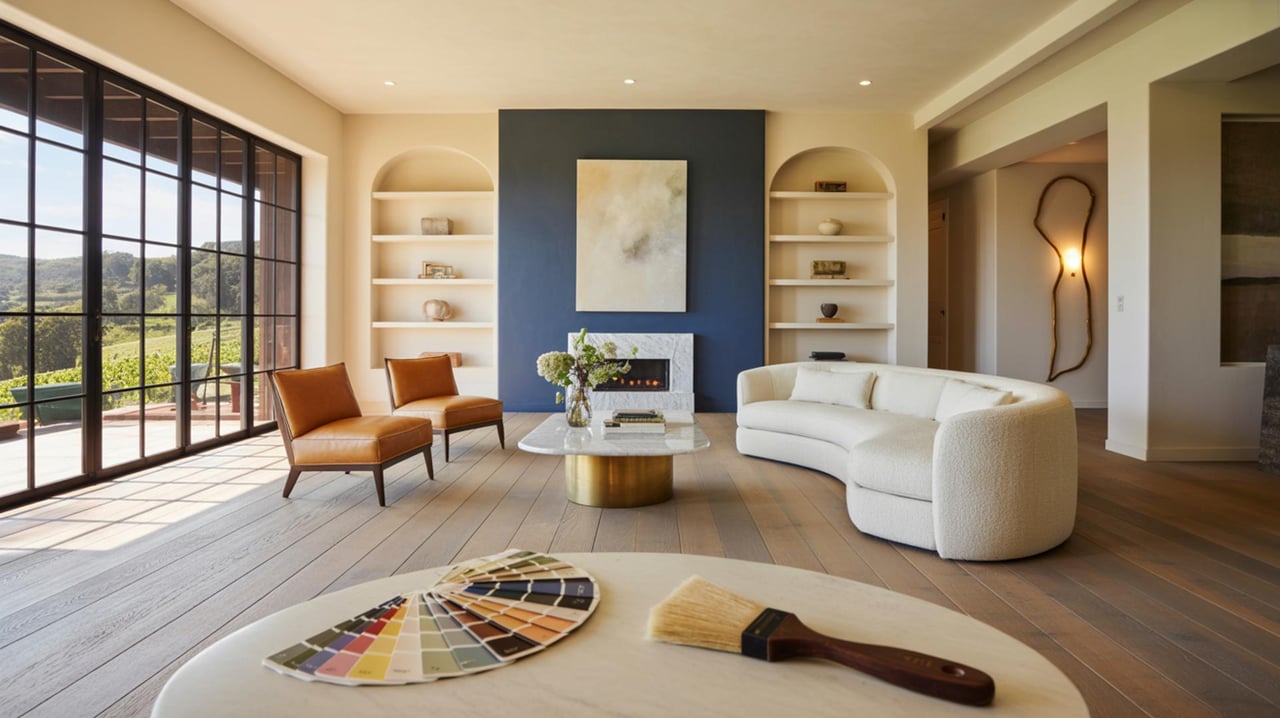
Choosing the right paint colors for your home is more than just an aesthetic decision; it's an opportunity to harness the power of color psychology to create an environment that enhances mood, productivity, and overall well-being. Understanding how different colors can affect emotions and perceptions is key to making informed choices that reflect your personal style and the function of each room. With expert insights, homeowners can transform their living spaces into harmonious retreats that cater to their unique needs and preferences.
Understanding the Basics of Color Psychology
Color psychology explores how different hues influence human emotions and behavior. Each color has its own psychological impact, which can be leveraged to create specific atmospheres within a home. For instance, warm colors like red and orange are known to evoke feelings of energy and excitement, making them ideal for social spaces like living rooms and dining areas. On the other hand, cool colors such as blue and green are associated with calmness and relaxation, perfect for bedrooms and bathrooms. By understanding these basic principles, homeowners can make strategic decisions that align with their desired ambiance.
Choosing Colors Based on Room Function
The function of a room plays a significant role in determining the most suitable color palette. For example, a home office benefits from colors that promote focus and concentration, such as soft blues or greens. These hues are known to reduce stress and enhance productivity, creating an optimal work environment. In contrast, a kitchen might benefit from lively colors like yellow, which can stimulate appetite and foster a sense of warmth and hospitality. By considering the primary activities that take place in each room, homeowners can select colors that support and enhance those functions.
Considering Natural Light and Room Orientation
Natural light and room orientation are crucial factors in color selection. The amount and quality of natural light a room receives can significantly alter the appearance of paint colors. Rooms with ample sunlight can handle darker or more saturated colors, as the light will prevent them from feeling too heavy or oppressive. Conversely, rooms with limited natural light may benefit from lighter shades that reflect light and create a sense of openness. Additionally, the direction a room faces—north, south, east, or west—can affect how colors are perceived throughout the day, influencing the overall mood and feel.
Harmonizing with Existing Décor
When selecting paint colors, it's important to consider the existing décor and furnishings within a space. A harmonious color scheme should complement the furniture, artwork, and accessories already present in the room. This can be achieved by choosing colors that are either analogous or complementary to those found in the décor. For instance, if a room features a lot of earthy tones, a warm, muted color palette might be the best choice to create a cohesive look. By taking into account the existing elements, homeowners can ensure that their color choices enhance rather than clash with the overall design.
Testing Paint Samples Before Committing
Before committing to a particular color, it's advisable to test paint samples on the walls. Paint can look different in various lighting conditions and at different times of the day, so testing samples allows homeowners to see how the color will truly appear in their space. Applying samples to multiple walls can provide a better sense of how the color interacts with light and shadows. This step can prevent costly mistakes and ensure satisfaction with the final result. It's also a good opportunity to experiment with different shades and finishes to find the perfect match.
Using Accent Walls for Visual Interest
Accent walls are an effective way to add visual interest and depth to a room without overwhelming the space with too much color. By painting one wall in a contrasting or bold color, homeowners can create a focal point that draws attention and adds character to the room. Accent walls work particularly well in spaces where a full room of color might be too intense, such as small bedrooms or living areas. This technique allows for creativity and experimentation, offering a dynamic element that can be easily changed if desired.
Balancing Bold and Neutral Tones
Striking the right balance between bold and neutral tones is essential for creating a harmonious and inviting environment. While bold colors can add personality and vibrancy, too much intensity can be overwhelming. Incorporating neutral tones, such as whites, grays, or beiges, can provide a calming counterbalance that allows bold colors to stand out without dominating the space. This balance ensures that the overall design remains cohesive and comfortable, appealing to a wide range of tastes and preferences.
Considering the Emotional Impact of Color
The emotional impact of color is a powerful tool in creating spaces that resonate with the inhabitants. For instance, shades of blue are often associated with tranquility and peace, making them ideal for bedrooms or meditation spaces. Meanwhile, green is linked to renewal and growth, perfect for areas where creativity and inspiration are desired. Understanding the emotional associations of different colors can guide homeowners in selecting hues that align with their personal goals and the desired atmosphere of each room.
Incorporating Trends with Caution
While it's tempting to follow the latest color trends, it's important to incorporate them with caution. Trends can quickly become outdated, so it's wise to use them as accents rather than the primary color scheme. This approach allows homeowners to enjoy the freshness of current styles without committing to a complete overhaul when trends change. By incorporating trendy colors in smaller doses, such as through accessories or accent walls, homeowners can keep their spaces feeling modern and stylish while maintaining a timeless foundation.
Seeking Professional Advice When Needed
For those who feel overwhelmed by the myriad of color choices, seeking professional advice can be invaluable. Interior designers and color consultants have the expertise to guide homeowners in making informed decisions that reflect their personal style and the functional needs of their space. These professionals can offer insights into color combinations, lighting considerations, and the latest trends, ensuring a cohesive and aesthetically pleasing result. Engaging with an expert can provide peace of mind and confidence in the final outcome, making the investment in professional guidance worthwhile.
Transform Your Home with the Right Colors
Choosing the right paint colors can truly transform your home, creating spaces that are both beautiful and functional. By understanding color psychology, you can make informed decisions that reflect your personal style and enhance your living environment. Whether you're looking to create a calming oasis or a vibrant gathering space, the right colors can make all the difference. For personalized guidance and expert advice tailored to your needs, contact Mary Lockyer Browning today.