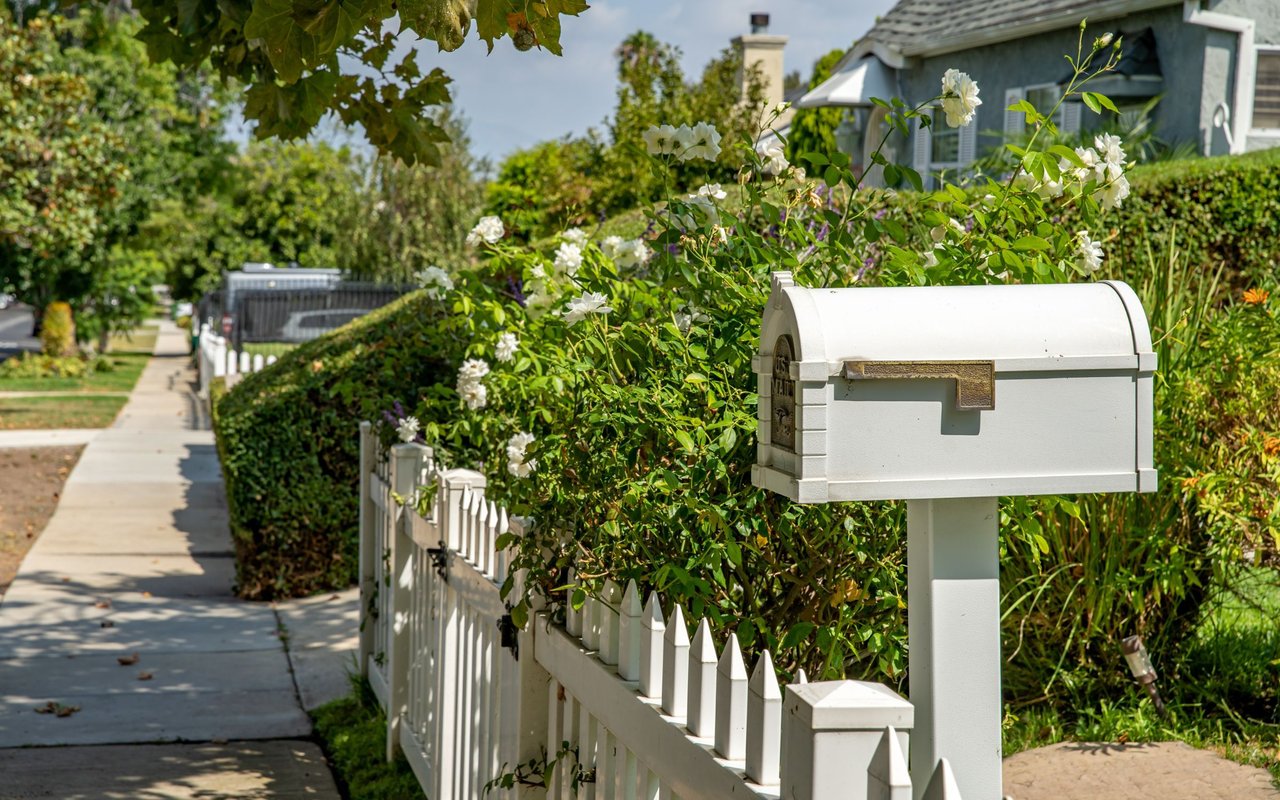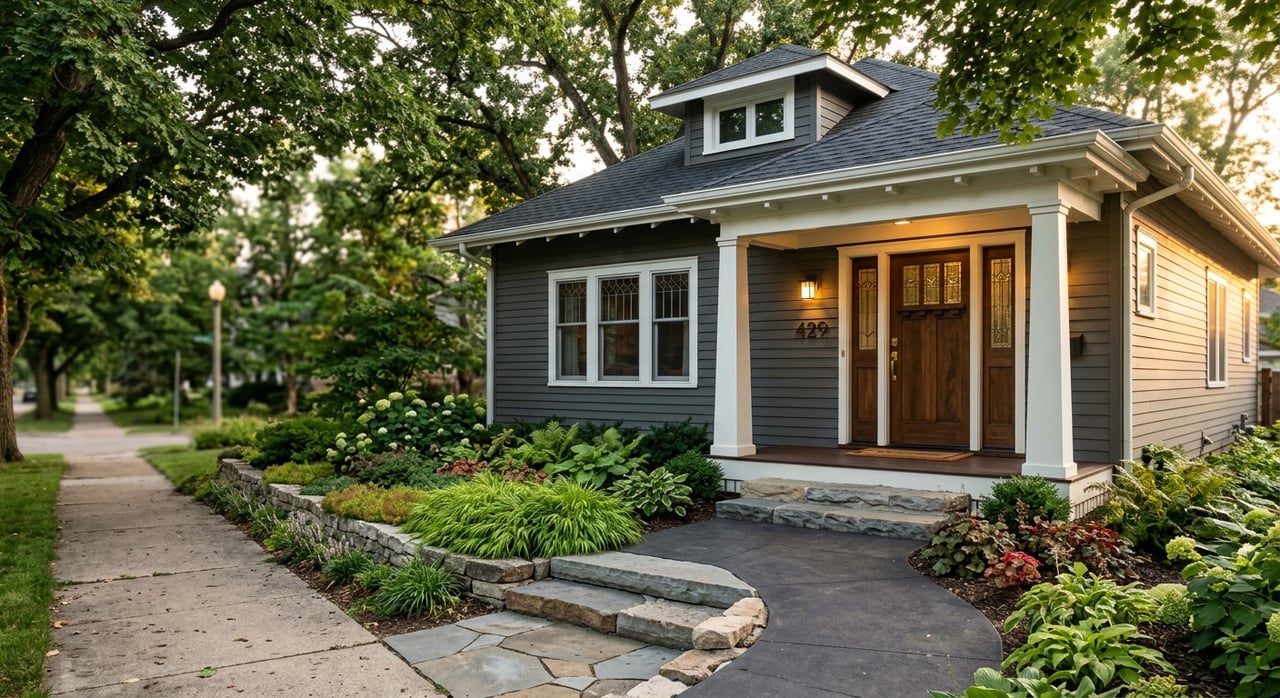
Trying to choose between Verona’s newer areas and its established neighborhoods? You are not alone. Many buyers love the idea of a newer home with modern layouts, but they also want the convenience and feel of a more central setting. The good news is that Verona offers both, and the better fit often comes down to how you want to live day to day. This guide will help you compare the tradeoffs so you can move forward with more confidence. Let’s dive in.
How Verona Has Grown
Verona’s neighborhood story is shaped by two paths at once: planned growth on the edges of the city and ongoing investment in the downtown core. The city has adopted neighborhood plans for the Southwest, Southeast, North, and Northwest growth areas, while a separate Downtown Mobility & Development Plan focuses on redevelopment, traffic flow, pedestrian and bicycle safety, parking, and downtown character.
That matters because your choices in Verona are not limited to one style of living. The city is planning for continued growth and projects a need for about 3,404 additional housing units by 2040. At the same time, it is also investing in the central parts of the city that many buyers already know and love.
Verona’s housing mix is broader than some buyers expect. City data reports about 54% single-unit detached homes, 16% single-unit attached or townhome units, and 30% multi-unit housing. In practical terms, that means both newer and established parts of Verona can offer a range of housing types depending on the area.
What Newer Verona Areas Feel Like
Newer Verona neighborhoods are typically part of the city’s planned growth areas. These areas often feel more uniform in design, more recently built, and more intentionally laid out around newer streets, parks, and neighborhood connections.
If you picture a classic large suburban lot, it is helpful to know that newer development in Verona may be more compact than that image suggests. Current city zoning sets minimum lot sizes at 6,000 square feet in Neighborhood Residential and Mixed Residential districts and 4,000 square feet in Urban Residential districts. So, depending on where you buy, a newer home may come with less yard and a more efficient site plan.
For many buyers, that tradeoff is a plus. A more compact lot can mean less exterior maintenance, while the newer construction can offer a more updated layout and fewer near-term repair needs.
Why Buyers Choose Newer Neighborhoods
A newer subdivision is often a strong fit if you want a home that feels move-in ready and predictable. While every property is different, newer homes generally reduce the chance that you will face major updates right away.
Research on older homes helps explain why this matters. Census Bureau data shows that older homes often require work such as painting, plumbing, roofing, window and door replacement, porches, decks, patios, fencing, driveways, and landscaping. Owners of older homes spent a median of about $1,800 per year on upkeep, and new owners of older homes spent about $3,900 per year.
That does not mean an established home is a poor choice. It simply means that if you prefer to pay for newer construction upfront rather than budget for updates later, a newer Verona area may fit your goals better.
Parks and Recreation in Newer Areas
One of the biggest strengths of newer Verona neighborhoods is how recreation has been built into many of them. The city maintains 25 parks and 4 conservancy or special use areas totaling more than 160 acres, and several neighborhood parks are tied to newer subdivisions.
Examples include Scenic Ridge Park, Cathedral Point Park, Tollefson Park, Tower Park, and Westridge Park. Scenic Ridge Park is described by the city as one of Verona’s newest neighborhood parks, and several of these parks include paved paths, bike-loop access, or trail connections.
If you want nearby outdoor space as part of everyday life, this can be a meaningful advantage. It creates a neighborhood pattern where recreation is not an afterthought, but part of how the area was planned.
What Established Verona Neighborhoods Offer
Established neighborhoods in Verona are closely tied to the city’s civic core and older street network. These areas often appeal to buyers who value central access, an established neighborhood feel, and the ability to be closer to everyday destinations.
The city’s planning efforts show continued support for these areas. Verona adopted a Downtown Mobility & Development Plan to guide redevelopment downtown, and its Downtown Streetscape Plan is aimed at making downtown more pedestrian- and bicycle-friendly with new sidewalks, crosswalk improvements, bike racks, street furniture, and landscaping.
That kind of public investment can matter a lot in daily life. If you want to move through the area on foot or by bike, the downtown and central neighborhoods are where Verona is making that experience stronger.
Walkability and Civic Access
For some buyers, established neighborhoods stand out because of what is nearby. Verona’s Public Library is at 500 Silent Street, the Community Center is at 130 North Franklin Street, Hometown Junction sits downtown along the Military Ridge State Trail, and Veteran’s Park is south of City Hall with access to the trail and city bike loop system.
The city is also paving the Military Ridge State Trail to provide year-round accessibility for cyclists, runners, walkers, and people with mobility devices. If your ideal routine includes walking or biking to civic spaces, trails, or downtown destinations, established parts of Verona are often the clearest match.
This is one of the main differences buyers feel in real life. Newer areas may offer planned neighborhood amenities, while established areas often offer stronger access to Verona’s central public spaces and connected street network.
The Maintenance Tradeoff
Maintenance is usually the biggest practical difference between newer and established neighborhoods. Verona’s housing report includes a goal of maintaining the existing housing stock and preventing deterioration through property maintenance ordinances, which shows the city is actively thinking about long-term quality.
Still, older housing often comes with more upkeep over time. That may include visible updates, system work, or exterior improvements that become part of your ownership plan.
This is why your budget should look beyond the purchase price alone. When comparing a newer home to an older one, it helps to think about whether you want to spend more now for newer construction or keep room in your budget for repairs and improvements later.
A Simple Verona Buyer Framework
If you are deciding between newer and established areas in Verona, this quick framework can help:
Choose a newer area if you want:
- A more recently built home
- More predictable near-term maintenance
- Contemporary layouts
- Recreation planned into the subdivision
- A neighborhood setting shaped by Verona’s growth plans
Choose an established neighborhood if you want:
- Easier access to downtown Verona
- Closer connection to trails and civic amenities
- A more established neighborhood feel
- An older street network and central location
- A home purchase where updates may be part of the long-term plan
Neither path is better across the board. The right choice depends on how you want your home, budget, and daily routine to work together.
What This Means for Your Home Search
In Verona, the question is not simply new versus old. It is whether you want the benefits that often come with newer construction or the location advantages that come with a more established part of the city.
That is why a smart home search starts with your lifestyle. If you want a newer-feeling home and fewer early maintenance surprises, the growth areas may deserve your first look. If you care most about downtown access, trail connectivity, and civic convenience, the established neighborhoods may feel like a better fit.
A clear plan can save you time and stress. When you know which tradeoffs matter most to you, it becomes much easier to sort through listings and focus on the homes that truly fit.
If you are weighing Verona’s newer areas against its established neighborhoods, Mary Lockyer Browning can help you compare options with a calm, local, and highly personalized approach.
FAQs
What is the main difference between newer and established neighborhoods in Verona?
- Newer Verona areas are usually part of planned growth zones with more recently built homes, while established neighborhoods are more closely tied to the downtown core, older street network, and civic amenities.
Are newer homes in Verona always on larger lots?
- No. Verona’s current zoning allows minimum lot sizes of 6,000 square feet in Neighborhood Residential and Mixed Residential districts and 4,000 square feet in Urban Residential districts, so newer homes can be more compact than some buyers expect.
Do established Verona neighborhoods offer better walkability?
- In many cases, yes. Established central areas are closer to downtown destinations, the Public Library, the Community Center, Veteran’s Park, Hometown Junction, and the Military Ridge State Trail.
Are older homes in Verona likely to need more maintenance?
- Older homes often require more upkeep over time, and Census Bureau data shows common projects can include roofing, plumbing, painting, windows, doors, driveways, decks, and landscaping.
Which Verona neighborhoods are better for parks and recreation?
- Many newer subdivisions have parks built into their neighborhood design, including areas near Scenic Ridge Park, Cathedral Point Park, Tollefson Park, Tower Park, and Westridge Park.
How should I decide between a newer Verona home and an established one?
- Start by comparing your priorities: newer construction and more predictable upkeep versus downtown access, trail proximity, and an established neighborhood feel.